Upholstery cleaning near Roehampton Club: a practical guide to cleaner, healthier furniture
If you are looking for upholstery cleaning near Roehampton Club, you are probably dealing with one of those everyday annoyances that quietly gets worse over time: a sofa that looks tired, dining chairs with stubborn marks, or an armchair that seems to hold onto every bit of dust, spill, and pet hair going. Truth be told, upholstery is one of the easiest parts of a home to overlook and one of the hardest to refresh properly without the right approach. This guide walks you through what professional upholstery cleaning involves, why it matters in a local Roehampton setting, how the process works, and what to expect before you book. It is written to help you make a sensible decision, not a rushed one.
You will also find a comparison of cleaning methods, a step-by-step breakdown, practical tips, common mistakes, and a checklist you can actually use. Let's make it simple.
Why Upholstery cleaning near Roehampton Club Matters
Furniture works hard. Sofas collect body oils, crumbs, dust, skin flakes, pet dander, and the odd drink spill. Dining chairs pick up grease from hands. Armrests get polished by use whether you mean them to or not. Near Roehampton Club, where homes often balance busy family life, entertaining, commuting, and the occasional muddy walk back indoors, upholstery can age faster than people expect.
And it is not only about appearance. Fabric can hold odours, allergens, and general grime in the fibres long after the surface looks "fine." That is why upholstery cleaning is as much about comfort and hygiene as it is about presentation. A freshly cleaned sofa tends to feel lighter in the room. Less stale. Less flat. It sounds small, but you notice it.
If you are hosting guests, preparing a property for sale, or simply trying to keep your living space pleasant, upholstery care makes a real difference. In a local area like Roehampton, where many households value tidy, well-kept interiors, clean upholstery can quietly lift the whole home. No drama. Just a better room to sit in.
Expert summary: The best upholstery cleaning is not the one that looks dramatic on the day; it is the one that removes soil safely, suits the fabric type, dries well, and leaves the furniture feeling genuinely refreshed rather than damp, sticky, or over-treated.
How Upholstery cleaning near Roehampton Club Works
Professional upholstery cleaning usually starts with inspection. A cleaner should identify the fabric type, check for labels or care instructions, and look for wear, stains, fraying, loose stitching, or previous cleaning damage. That first look matters more than people think. A velvet armchair and a synthetic family sofa do not want the same treatment, and nobody enjoys a shiny water mark from a well-meant mistake.
The main stages are usually straightforward:
- Pre-inspection: The cleaner checks fabric composition, colour stability, stain history, and any areas of concern.
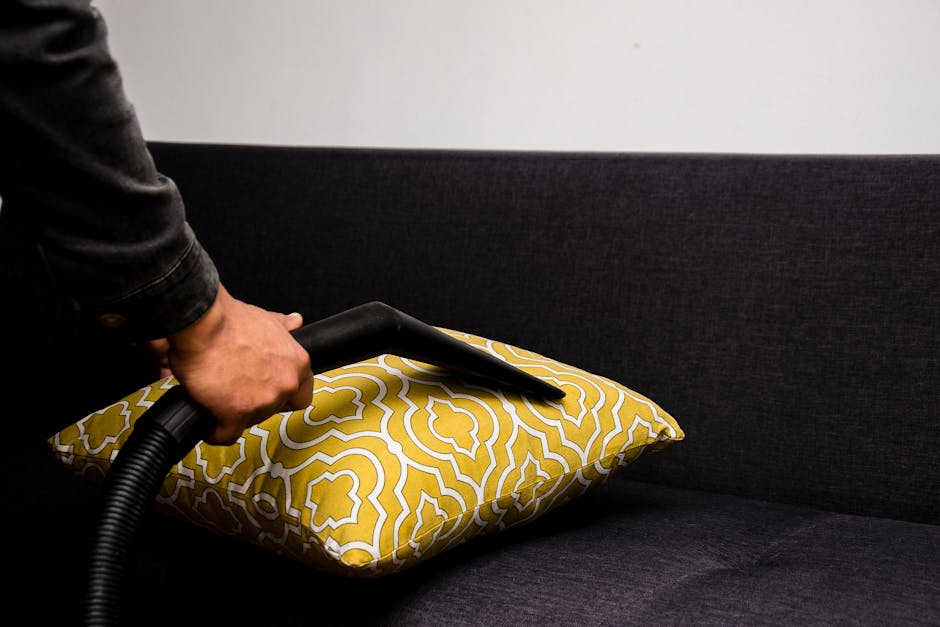
- Dry vacuuming: Loose dust, crumbs, pet hair, and grit are removed first so the cleaning solution can work properly.
- Pre-treatment: Stains, traffic areas, and greasy patches are treated with suitable products. This is where professional judgment really shows.
- Cleaning method: Depending on the material, this might be hot water extraction, low-moisture cleaning, dry cleaning, or specialist spot cleaning.
- Rinsing or residue removal: The aim is to leave the fabric free from soil and excess cleaning agents.
- Drying and finishing: The cleaner may groom the pile, set the nap on certain fabrics, or advise on airflow and drying time.
For many homes, sofa cleaning is the most common upholstery service, but the same principles apply to chairs, footstools, headboards, and other fabric-covered items. Some jobs also sit naturally alongside pet stain odour removal if there are lingering smells or repeat accidents.
Not every piece can be wet-cleaned. That is where a trained eye matters. You do not want a rushed, one-size-fits-all approach. Upholstery has enough surprises already.
Key Benefits and Practical Advantages
The first benefit is obvious: furniture looks better. But the more valuable gains are often the ones you notice over the next few weeks.
- Improved appearance: Brightens fabric, reduces dull patches, and helps older furniture look cared for rather than worn out.
- Better indoor freshness: Removes the trapped odours that make a room feel stuffy.
- Cleaner sitting surfaces: Helps reduce embedded dust and everyday build-up.
- Longer furniture life: Dirt particles can act like fine abrasives, gradually wearing the fibres. Cleaning helps slow that down.
- Better impression for guests or buyers: A clean sofa can change the whole feel of a living room, sometimes more than people expect.
- Support for households with pets or children: Where spills and accidents are part of life, regular cleaning keeps minor mishaps from becoming permanent marks.
There is also a practical comfort point that is easy to miss: clean fabric simply feels nicer to live with. You sink into a sofa more easily when you are not mentally dodging mystery patches. A small thing, perhaps, but real.
Who This Is For and When It Makes Sense
Upholstery cleaning near Roehampton Club makes sense for a wide range of people. You may need it if you are a homeowner with a family sofa that has seen years of use, a tenant preparing to move out, or a landlord wanting a presentable property between lets. It is also a smart choice if you run a small business with fabric seating, manage a guest property, or simply want to improve the feel of your home without replacing furniture that is still structurally sound.
It is especially worth considering in these situations:
- after a spill or stain that has sat too long
- when furniture smells musty or stale
- if the fabric looks dull even after regular vacuuming
- when you can see traffic marks on seat cushions or armrests
- after pet hair, paw marks, or the occasional muddy tumble indoors
- before hosting guests, staging a property, or starting a tenancy change
To be fair, not every sofa needs cleaning every few months. But if you are starting to wonder whether the room feels fresher than the furniture does, that is usually a clue. Sometimes your nose knows before your eyes do.
For broader home refresh work, some people pair upholstery care with deep cleaning or one-off cleaning when the whole property needs a reset rather than just one piece of furniture.
Step-by-Step Guidance
If you want the best possible result, the process starts before the cleaner arrives. A bit of preparation makes a noticeable difference. Here is a practical way to think about it.
- Identify the furniture: Make a list of what needs attention. Sofa, loveseat, armchairs, dining chairs, headboards, or office seating.
- Check the care label: If the furniture has a tag, note any cleaning codes or warnings. These are useful, even if they look a bit boring.
- Photograph the condition: A quick phone photo helps you track stains or wear before cleaning starts.
- Vacuum gently: Remove surface dust and loose debris around cushions, seams, and creases.
- Point out problem areas: Be clear about any stains, odours, pet marks, or previous attempts at stain removal.
- Discuss the method: Ask how the fabric will be cleaned and whether it is suitable for the material.
- Allow for drying time: Plan for ventilation and avoid sitting on the furniture too soon.
- Inspect the result: Once dry, check corners, seams, and cushions rather than only the obvious central area.
A small but useful tip: if there is a stain, do not rub it in a panic. Most of us have done it once, maybe twice. Rubbing can push the mark deeper and spread it wider. Blotting is usually safer, and even then, only gently.
If your furniture includes delicate fabrics, matching the right approach is crucial. In some cases, specialist curtain cleaning or rug cleaning may also be helpful if the room needs an overall refresh.
Expert Tips for Better Results
Good upholstery cleaning is a mix of preparation, restraint, and the right chemistry. Here are the tips that tend to matter most in real homes.
- Test first on hidden fabric: Particularly on coloured or delicate upholstery, a small spot test can prevent an unwanted surprise.
- Work from the outside of a stain inward: This helps reduce spreading.
- Do not oversaturate: More water is not better. Too much moisture can leave odours, marks, or long drying times.
- Use airflow wisely: Open windows if weather allows, and keep air moving. A fan can help. Not glamorous, but effective.
- Deal with spills quickly: The earlier a stain is treated, the better the odds. That is just the truth of it.
- Vacuum weekly: Regular vacuuming slows down build-up and helps cleaning last longer.
- Be realistic about old stains: Some marks fade substantially, but not every stain disappears fully. A trustworthy cleaner should say that plainly.
If you are booking a professional service, ask what products are used and whether they are suitable for households with pets or children. Many cleaning solutions are fine when used correctly, but the details matter. A professional should be able to explain the method without sounding vague or overly salesy. That is a good sign, honestly.
For homes where upholstery is part of a wider refresh, carpet cleaning or steam carpet cleaning may complement the work nicely, especially in living rooms and family spaces where dirt tends to travel from floor to furniture and back again.
Common Mistakes to Avoid
Most upholstery mishaps are avoidable. The trouble is that they often happen when people are trying to fix a problem quickly.
- Using the wrong cleaner: Household sprays can be too harsh or leave residue that attracts more dirt later.
- Scrubbing stains aggressively: This can damage fibres and spread the stain.
- Skipping the fabric check: Not all materials tolerate moisture in the same way.
- Ignoring drying time: Sitting on damp upholstery can flatten the pile or transfer soil back onto the fabric.
- Cleaning only the visible mark: This can leave a hard edge or "halo" effect around the treated area.
- Forgetting about odours: A piece may look clean but still hold smells in the padding.
Another common one: assuming all furniture should be cleaned the same way because "it is just a sofa." It is not just a sofa. It is fibres, backing, stuffing, seams, dye stability, and age all working together. A tiny difference in fabric composition can change the whole cleaning approach.
If the issue is a heavy spill or a recent renovation mess, you may also want to look at related services such as after builders cleaning or stain removal where the underlying problem is more complex than surface dirt.
Tools, Resources and Recommendations
You do not need a warehouse full of equipment to keep upholstery in good condition, but the right tools help. For day-to-day care, a soft brush attachment, a vacuum with upholstery tools, white absorbent cloths, and a mild fabric-safe cleaner can go a long way. For professional-level results, cleaners may use extraction equipment, hot water systems, dry compound methods, or low-moisture systems depending on the fabric.
What should you ask a provider before booking? A few sensible questions:
- What type of upholstery do you clean most often?
- How do you choose between wet and low-moisture methods?
- What happens if a stain does not shift fully?
- How long should the fabric take to dry?
- Do you offer guidance for pets, odours, or delicate fabrics?
It also helps to check whether a company has clear information on pricing, service expectations, and practical policies. That is where pages like pricing and quotes, about us, and contact us can be useful if you are comparing options and want a little more confidence before you commit.
If sustainability matters to you, ask about waste handling, product use, and any recycling and sustainability practices. Small things add up over time, especially in busy homes.
Law, Compliance, Standards, or Best Practice
Upholstery cleaning is not usually a heavily regulated service in the way some trades are, but there are still sensible best-practice expectations. A professional cleaner should work safely, use suitable products, and avoid causing damage through poor judgment. In a domestic setting, that includes being careful with electrical equipment, ventilation, slip risks from damp floors, and communication about drying times.
If a provider handles chemicals, they should understand product safety and use them in line with the manufacturer instructions. If they are working in shared buildings or managed properties, they should also be mindful of access, noise, and the responsibility not to inconvenience neighbours unnecessarily. Quiet professionalism goes a long way.
For your part, keep a record of what was cleaned, any pre-existing stains, and any care advice given afterwards. That is especially useful for landlords, tenants, and anyone managing move-related cleaning. If you are dealing with a larger property schedule, services like end of tenancy cleaning or move out cleaning may sit alongside upholstery care as part of a fuller handover.
Health and safety matters too. Good practice includes safe electrical setup, clear working areas, and attention to drying so that damp upholstery does not become a nuisance later. You can also look for a company that states its own internal standards clearly, such as a visible health and safety policy and insurance and safety information. That is not just paperwork; it is reassurance.
Options, Methods, or Comparison Table
Different upholstery fabrics and levels of soiling call for different methods. Here is a plain-English comparison to help you make sense of it.
| Method | Best for | Strengths | Watch-outs |
|---|---|---|---|
| Hot water extraction | Many synthetic fabrics and heavily used sofas | Deep soil removal, good for general refresh and some stains | May not suit delicate fabrics; drying time matters |
| Low-moisture cleaning | Softer fabrics or situations needing faster turnaround | Quicker drying, less water use | May be less powerful on deep embedded dirt |
| Dry cleaning | Sensitive fabrics that dislike water | Useful where moisture must be limited | Not ideal for every soil type; requires proper product choice |
| Spot treatment only | Small, isolated marks | Targeted, economical for minor issues | Can leave patchy results if the rest of the item is dirty too |
If you are trying to choose, start with the fabric, not the stain. That is the safer route. A cleaning method that looks impressive on paper can be wrong for the material in front of you. And yes, that happens more often than people think.
For businesses or shared premises, commercial cleaning, office cleaning, or communal area cleaning may be relevant alongside upholstery care, especially where seating is used heavily throughout the week.
Case Study or Real-World Example
A fairly typical local example: a family living near Roehampton Club had a three-seat fabric sofa that looked greyed out rather than dirty in one obvious spot. The issue was not a single large stain. It was a combination of armrest build-up, drink marks, and fine dust settled into the weave. From a distance, it seemed almost fine. Up close, not so much.
The cleaner first checked the fabric type and found it could tolerate a controlled wet-cleaning method. The sofa was vacuumed thoroughly, then pre-treated in the heaviest traffic areas. The main seat cushions needed more work than the base because that is where everyone naturally lands. The result was not miraculous, but it was very good: the colour looked more even, the room smelled fresher, and the homeowners said the sofa felt "less sticky," which, frankly, is often the thing people mean when they say furniture feels clean.
There was one slight complication. A faint old stain remained near a seam. Rather than overwork it, the cleaner explained that repeated aggressive treatment would risk fibre damage. That was the right call. Better a slightly imperfect result than a worn-out patch from overcleaning. Sometimes good service is about what is left alone.
This is also why transparent advice matters. Whether you are arranging upholstery work on its own or combining it with domestic cleaning or house cleaning, the best outcome usually comes from sensible expectations and methodical work rather than big promises.
Practical Checklist
Use this before booking or on the day of service.
- Identify every upholstered item that needs cleaning.
- Check fabric labels or manufacturer care notes if available.
- Note stains, odours, pet issues, and areas of heavy wear.
- Take quick photos for reference.
- Ask which cleaning method is planned and why.
- Confirm estimated drying time.
- Clear access around the furniture.
- Move breakables, cushions, and small items out of the way.
- Ask about post-clean care and ventilation.
- Inspect the fabric once fully dry.
Quick takeaway: the cleaner you choose should be able to explain the method in plain English. If they cannot, that is worth pausing over. A good result depends on the fabric, the soil, the timing, and the judgment used in between.
For related home maintenance, services such as mattress cleaning or oven cleaning may also help if you are giving the property a proper reset rather than handling just one surface.
Get a free quote today and see how much you can save.
Conclusion
Upholstery cleaning near Roehampton Club is one of those jobs that pays off in more ways than people expect. It improves the look of a room, helps furniture last longer, and makes everyday living feel fresher and more comfortable. The key is to match the method to the fabric, avoid rushed fixes, and choose a provider that explains things clearly rather than hiding behind jargon.
If your sofa, chairs, or other upholstered pieces have started to look a little tired, that does not mean they are ready for replacement. Often they just need the right clean, the right timing, and a bit of care. Simple really. And once it is done well, the room usually feels better straight away.
There is something satisfying about that quiet before-and-after moment when the space just feels easier to live in. Small win, big difference.
Frequently Asked Questions
How often should upholstery be professionally cleaned?
It depends on use, fabric type, pets, children, and how quickly the furniture picks up dirt. Many households benefit from periodic cleaning rather than waiting until stains are obvious. If a sofa looks dull or smells stale, that is usually a sign it is due.
Is upholstery cleaning safe for delicate fabrics?
It can be, but only if the cleaner chooses the right method. Delicate fabrics may need low-moisture or dry cleaning rather than traditional wet extraction. Always ask for a fabric check first.
How long does upholstery take to dry?
Drying time varies by fabric, method, ventilation, and room temperature. Some items dry within a few hours, while others need longer. Good airflow makes a real difference.
Can upholstery cleaning remove pet odours?
Often, yes, especially when odours are in the surface fibres rather than deep in the padding. Strong or repeated pet accidents may need specialist treatment, and it is best to mention the issue early.
Will all stains come out completely?
Not always. Fresh stains are easier than old set-in marks, and some substances leave permanent residue or colour change. A trustworthy cleaner should explain the likely outcome before starting.
Is steam cleaning suitable for sofas?
Sometimes, but not universally. Steam or hot water extraction can work very well on some synthetic fabrics, but it is not right for every material. The fabric code and condition should guide the choice.
What should I do before the cleaner arrives?
Vacuum lightly if appropriate, remove small items from the area, point out stains, and ensure access around the furniture. Taking a few photos beforehand is also a smart move.
Can upholstery cleaning help if my sofa looks worn out but is not badly stained?
Yes. A lot of furniture looks tired because of embedded dust, body oils, and general film rather than dramatic stains. Cleaning can restore colour and brightness surprisingly well.
How do I know if a cleaner is using the right method?
They should explain the fabric assessment, the cleaning process, and the drying expectations clearly. If the explanation sounds rushed or generic, that is worth questioning.
Is upholstery cleaning useful for landlords and tenants?
Definitely. Clean upholstered furniture can improve the presentation of a rental, support a better handover, and reduce disputes about cleanliness. It is especially useful alongside end-of-tenancy work.
Does upholstery cleaning leave a residue?
It should not, if done properly. Excess residue can attract dirt again, which is why thorough rinsing or residue removal matters. Asking about this is perfectly reasonable.
Can I combine upholstery cleaning with other home cleaning services?
Yes. Many people combine it with carpet, mattress, or general house cleaning to get a more complete refresh. It often makes scheduling easier too, which is one less thing to juggle.
Area: Roehampton SW15