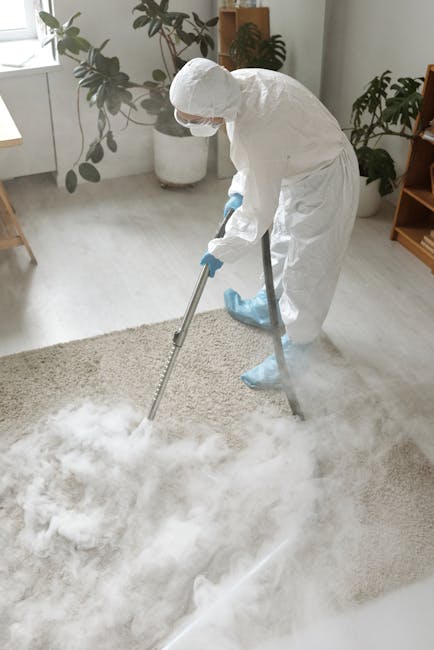
Carpet cleaning Alton Estate Roehampton pros: a practical guide for cleaner, healthier floors
If you live in or manage property around Alton Estate in Roehampton, carpet care has a habit of moving from "I'll sort that later" to "this needs doing now" very quickly. Spills happen, shoes bring in grit, pets do pet things, and before long the pile looks dull even if you vacuum regularly. That is where Carpet cleaning Alton Estate Roehampton pros becomes genuinely useful: not as a luxury, but as a smart way to restore comfort, keep fibres in better condition, and make a room feel looked after again. In this guide, we'll walk through how professional carpet cleaning works, when it makes sense, what to look out for, and how to get the best results without guesswork.
To keep things simple, this article focuses on the decisions that matter in real life. What method should you choose? How wet will the carpet get? What should you ask before booking? And what if you also need help with things like steam carpet cleaning, stubborn stain removal or even pet stain and odour removal? We'll cover all of that in plain English.
One quick note: not every carpet needs the same treatment. A hallway runner in a busy flat, a lounge carpet in a family home, and a communal landing are three very different jobs. Same surface, different story. That's the part people often miss.
Why Carpet cleaning Alton Estate Roehampton pros Matters
Carpets do more than soften a room. They trap dust, fine grit, allergens, pet hair, tracked-in moisture, and the occasional mystery mark no one wants to claim. On an estate like Alton, where people may have busy households, shared entrances, regular foot traffic, or rented homes turning over more often than you'd like, carpets can wear unevenly and lose freshness faster than you expect.
The practical reason to invest in professional cleaning is simple: vacuuming only removes surface debris. It does not usually lift embedded soil, sticky residues, or the deeper marks that flatten fibres and make the carpet look tired. A proper clean can reset the room visually and, honestly, it often changes how the whole home feels. You notice it first when you walk in. Less stale smell, less dullness, more colour coming through.
There is also a maintenance angle. Soil particles act a bit like sandpaper. Left in the pile, they grind away at the fibre over time, especially in hallways, stairs, and living room paths. So yes, cleaning is about appearance, but it's also about slowing wear. In that sense, it is a small protective habit, not just a cosmetic one.
If you run a small business, let out a flat, or manage communal spaces, the case becomes even stronger. Clean carpets help shape first impressions, reduce complaints, and make routine upkeep easier. Nobody enjoys explaining why a landing smells "a bit lived in." Let's face it, that's not a great sentence to have to say aloud.
Expert summary: the best carpet cleaning approach is the one matched to the carpet type, the level of soil, and the drying time you can realistically allow. Fast results are nice; safe results are better.
How Carpet cleaning Alton Estate Roehampton pros Works
Professional carpet cleaning is not just "spray and scrub." A proper process usually starts with inspection, because the cleaner needs to know what they are dealing with. Synthetic fibre, wool blend, age, stains, previous spot treatments, traffic lanes, and backing type all matter. A method that works beautifully on one carpet can be a poor choice for another. That's not marketing fluff, just reality.
Most jobs follow a simple sequence. First comes vacuuming or dry soil removal. Then a pre-treatment is applied to loosen embedded grime and tackle high-traffic areas. After that, the cleaner uses a suitable extraction or agitation method. In many cases, people mean carpet cleaning in the broad sense, but the exact technique might be hot water extraction, low-moisture cleaning, or targeted stain treatment. The choice depends on the job, not the buzzword.
For many households, steam carpet cleaning is the most familiar option because it can be effective on general soil, odours, and routine refreshes. But it is not ideal for every material or every drying timeline. Wool carpets, delicate fibres, and moisture-sensitive situations need more careful handling. If a cleaner says "we'll just blast it with steam," that is not especially reassuring. You want judgement, not bravado.
After cleaning, a good operator will focus on extraction and drying. That last part matters more than many people realise. A carpet left too damp can feel rough, attract resoiling, or in worse cases develop that unpleasant closed-room smell by the next day. Open windows, airflow, and sensible drying time all help. If you're cleaning in a flat with limited ventilation, the method should reflect that from the start.
When stains are involved, the process becomes more targeted. Food, drink, makeup, mud, ink, and pet accidents all behave differently. A smart cleaner tests first, chooses the right solution, and works gently. Force is usually a bad idea. Patience usually wins.
Key Benefits and Practical Advantages
The obvious benefit is a fresher-looking carpet. But that's only the start. Good carpet cleaning can improve the room in ways that are easy to feel, even if you don't think about them at first.
- Better appearance: colours look brighter, traffic lanes look less grey, and the pile stands up more evenly.
- Improved comfort: clean fibres feel softer underfoot, especially in bedrooms and living rooms.
- Odour reduction: trapped smells from pets, food, smoke, or general dampness often lift noticeably.
- Longer carpet life: removing grit and residue reduces wear on fibres.
- Healthier-feeling rooms: less dust and debris can make a home feel easier to live in, particularly for sensitive households.
- Better move-out presentation: useful for tenancy checks, property handovers, and pre-sale tidying.
There is also the less obvious benefit: peace of mind. When carpets are cleaned properly, you stop noticing the patch near the sofa or the line by the doorway every time you pass it. Small thing, maybe. But in day-to-day life, small things add up.
For landlords and property managers, the practical advantage is consistency. A cleaner carpet helps standardise the look of a property between tenancies. For homeowners, it can be the final piece in a larger refresh, especially if you are already arranging deep cleaning or combining tasks with house cleaning. That kind of joined-up thinking saves time and usually gives a better finish.
Who This Is For and When It Makes Sense
Professional carpet cleaning makes sense for more people than you might think. It is not just for "badly stained" carpets. In fact, waiting until the carpet looks terrible often means you've left it too long.
Here's who usually benefits most:
- Families with children: spills, crumbs, playtime wear, and the occasional disaster are part of the deal.
- Pet owners: fur, odours, and damp paw marks can build up quietly.
- Renters and landlords: especially around the end of a tenancy, where presentation matters.
- Homeowners doing a refresh: before guests, after winter, or ahead of a sale.
- Commercial premises: waiting rooms, offices, and reception areas often need a more regular schedule.
- Communal buildings: hallways, stairwells, and shared landings see concentrated foot traffic and can become patchy fast.
Timing matters too. You may want cleaning after renovation dust settles, after a party, before a new baby arrives, or when a room simply stops feeling pleasant. Some people book only once a year. Others do it seasonally. There's no single answer, but if your vacuum bag is full of fine grey grit every week, that is usually a sign the carpet needs more than routine upkeep.
It's also sensible to pair carpet care with related services when needed. A sofa that holds onto pet smells, for example, may need sofa cleaning alongside carpet treatment, while curtains and mattresses can quietly hold dust long after the carpet looks improved. You don't need every service, of course. But sometimes the room tells on itself.
Step-by-Step Guidance
If you want the best possible outcome, follow a simple process. No drama, no overcomplication.
- Assess the carpet honestly. Look at fibre type, stains, age, and wear patterns. Note any areas that smell, feel sticky, or look flattened.
- Decide what outcome you want. Light refresh, stain treatment, odour removal, tenancy-ready presentation, or a more restorative clean.
- Check moisture tolerance. If drying time is limited, choose a method that suits the space. A busy flat with one bathroom and no balcony is not the place for an over-wet process.
- Prepare the room. Move small items, clear fragile objects, and vacuum loose debris if asked to do so. Some cleaners prefer to handle this themselves, which is fair enough.
- Spot-test where appropriate. This is especially important on older, dyed, wool, or previously treated carpets.
- Use the correct treatment. Apply pre-spray, stain treatment, or odour work only where needed. More product is not automatically better.
- Extract thoroughly. The aim is to lift soil and solution out, not leave it sitting there.
- Dry properly. Use airflow, open doors, and sensible room use after cleaning.
- Inspect the result. Check traffic lanes, corners, edges, and any problem spots while the cleaner is still there.
A good cleaner will explain this in a grounded, no-fuss way. If the conversation feels vague from the start, that's worth noticing. You're not being difficult by asking how long drying will take or whether the stain is likely to improve. Those are exactly the right questions.
Expert Tips for Better Results
Here's where a little practical judgement goes a long way.
First, don't wait for the carpet to look ruined. The longer soil sits in the fibres, the harder it is to remove. Regular maintenance is just easier than rescue work. A well-timed clean also tends to dry faster and look better.
Second, be careful with home spot treatments. We've all seen the impulse: a napkin, a splash of cleaner, a firm rub. Trouble is, rubbing often spreads the stain or pushes it deeper. Blotting is usually safer. And if you're not sure what the mark is, testing matters. Mysterious beige blotches have a way of getting larger if you panic, which is annoyingly common.
Third, think about the rest of the room. If the carpet is clean but the curtains, upholstery, or mattress still hold dust and smells, the room may not feel fully refreshed. That's why services like upholstery cleaning, curtain cleaning, or even mattress cleaning can make a noticeable difference when bundled thoughtfully.
Fourth, pay attention to drying conditions. London weather does not always help. On a damp day, a carpet may need more airflow than you expect. On a warm bright morning, it may dry much faster. A window open a little, a door ajar, and a bit of space around the room can do more than people think.
Finally, choose the right frequency. Busy family homes and estate properties with heavy footfall often need cleaning more often than a low-use spare room. There's no prize for waiting too long.
Common Mistakes to Avoid
Most carpet problems after cleaning are not caused by the cleaning itself. They usually come from avoidable mistakes before, during, or after the job.
- Using too much water: oversaturation can slow drying and increase the risk of wick-back, where hidden soil rises again as the carpet dries.
- Skipping vacuuming: loose grit makes cleaning less effective and can create muddy residue.
- Scrubbing stains aggressively: this can damage fibres or spread the mark.
- Ignoring fibre type: wool and synthetics do not always tolerate the same treatment.
- Choosing on price alone: the cheapest quote is not always the best value if the result is patchy or the carpet is left too wet.
- Forgetting ventilation: especially in smaller flats, drying support is essential.
- Not asking about protection: if there is furniture, rugs, or delicate flooring nearby, sensible precautions matter.
One of the more common issues is expectation. People sometimes assume every stain will vanish completely. Truth be told, some marks are permanent or only partially reducible, especially if they were left for months or treated badly before. A reliable professional will be upfront about that. You want honesty, not a sales pitch in cleaner form.
Tools, Resources and Recommendations
You do not need to own a van full of specialist kit to make good decisions, but it helps to know what professionals may use and why it matters.
| Method | Best for | Strengths | Watch-outs |
|---|---|---|---|
| Hot water extraction / steam-style cleaning | General deep cleaning, many synthetic carpets, routine refreshes | Strong soil removal, good for larger areas | Needs sensible drying time; not ideal for every delicate carpet |
| Low-moisture cleaning | Flats, quick turnaround jobs, lighter maintenance cleans | Faster drying, useful where access is tighter | May be less restorative on very dirty carpets |
| Targeted stain treatment | Specific marks, pet accidents, isolated problem areas | Focused and efficient | Results vary by stain age and fibre type |
| Dry soil removal and pre-vacuuming | Almost every job | Improves final finish and extraction performance | Often overlooked by rushed operators |
When comparing providers, ask practical questions rather than vague ones. For example: How do you handle wool? What happens if a stain doesn't fully lift? How long should I avoid walking on the carpet? Do you offer related services like rug cleaning or pet stain odour treatment if needed? These questions tell you more than a flashy promise ever will.
If you are looking at value as well as outcome, the site's pricing and quotes page is a sensible place to understand how a proper quotation should be approached. And if you want background on the business itself, the about us page can help you judge experience and service style. Small details, but they matter.
Law, Compliance, Standards, or Best Practice
For carpet cleaning, the important point is not to turn this into a legal lecture. It's more about normal UK business expectations, safety, and good practice. A professional cleaner should handle chemicals responsibly, respect customer property, and work in a way that reduces risk to occupants and staff.
That usually means clear communication before the job, sensible risk awareness in occupied homes, and appropriate care with water, equipment, and cleaning agents. If a property has vulnerable occupants, mobility concerns, pets, or shared access, those details should shape the plan. In communal buildings, courtesy matters too. Nobody wants wet hall carpets blocking the way at 8am.
It is also reasonable to expect public-facing clarity around insurance and safety, payment handling, and complaints processes. Those are not just admin boxes. They show whether a business is organised enough to deal with the unexpected. If you want to review those basics, the relevant pages include insurance and safety, payment and security, and complaints procedure. That is the unglamorous stuff, but it's what gives peace of mind.
For sustainability-minded customers, it can also be useful to understand how products and wastewater are handled. Not every job needs a green lecture, obviously, but sensible recycling and sustainability practices are a good sign. Clean carpets, cleaner process. Makes sense.
Options, Methods, or Comparison Table
If you are deciding between methods, this quick comparison may help you narrow things down.
| Option | Best use case | Drying time | Typical decision point |
|---|---|---|---|
| Steam-style deep clean | General refresh, heavy soil, home or tenancy resets | Medium | Choose when you want a more restorative result |
| Low-moisture clean | Quicker turnaround, lighter soil, access-limited properties | Shorter | Choose when fast drying matters most |
| Spot and stain treatment only | Small isolated marks | Short | Choose when the carpet is otherwise in good shape |
| Combined room treatment | Homes needing wider freshening | Varies | Choose when carpets, sofas, and rugs all need attention |
The right option is usually the one that fits your room, your schedule, and the carpet itself. Not the one with the biggest claim.
Case Study or Real-World Example
A common real-world situation goes something like this. A family in a Roehampton flat notices the living room carpet has gone flat in the walkway between the sofa and the window. There's a faint smell too, nothing dramatic, just the sort of stale note you notice when the heating comes on in the evening. They've tried vacuuming more often, but the traffic lane still looks tired.
In that sort of case, the best approach is usually a proper inspection, targeted pre-treatment, and a method matched to drying limits. If there's also a soft chair holding onto the same household smell, adding sofa cleaning can make the room feel fully reset rather than half-done. If pets are involved, a separate odour treatment may be needed too. Not always. But often enough to be worth checking.
What tends to surprise people is how much better the room sounds and feels once the carpet is clean. Footsteps are softer. The room seems brighter at 7pm. The air feels less heavy. It's a small domestic win, but a real one.
That said, not every carpet returns to showroom condition, and that's okay. The aim is a marked improvement, better hygiene, and a longer life for the floor covering. Expectation managed properly, results feel even better.
Practical Checklist
Use this quick checklist before booking or starting a carpet clean.
- Identify the carpet type if you can.
- Note any stains, odours, or worn traffic areas.
- Decide whether you need a simple refresh or a deeper restorative clean.
- Check drying time available after the job.
- Ask how delicate fibres will be handled.
- Find out whether pre-treatment and stain spotting are included.
- Consider related cleaning needs in the room.
- Clear fragile items and small obstacles before the visit.
- Ask about insurance, payment, and aftercare.
- Confirm how long you should avoid walking on the carpet afterwards.
If you are cleaning as part of a move, it can help to think bigger and pair the work with move-out cleaning or end of tenancy cleaning. That way, the floors, fixtures, and touchpoints all support the same end goal. Less chasing around at the last minute. Much better.
Quick takeaway: the cleaner the plan, the cleaner the result. A bit of preparation, the right method, and sensible drying time usually beat rushed cleaning every time.
Get a free quote today and see how much you can save.
Conclusion
Carpet cleaning Alton Estate Roehampton pros is really about getting the basics right with care: the right method, honest expectations, good drying, and attention to the room as a whole. Whether you're dealing with everyday family wear, tenancy turnover, pet odours, or simply the slow dulling that happens in busy homes, a professional clean can make a noticeable difference without turning your life upside down.
When you approach it thoughtfully, carpet cleaning stops being a chore and becomes part of looking after the home properly. That's the real win. Clean floors, calmer rooms, less stress. Simple, but not small.
And if you're ready to go from "it probably needs doing" to "that looks much better," you're already on the right track.
Frequently Asked Questions
What does Carpet cleaning Alton Estate Roehampton pros usually include?
It usually includes inspection, vacuuming or dry soil removal, pre-treatment, stain targeting, the main cleaning method, and drying advice. The exact process depends on carpet type and condition.
How often should carpets be professionally cleaned?
That depends on foot traffic, pets, children, and whether the property is rented or commercial. Busy homes often benefit from more regular cleaning than low-use rooms. If the carpet looks dull early, that's usually a clue.
Is steam carpet cleaning safe for all carpets?
No, not always. Steam-style cleaning works well for many carpets, but delicate fibres, certain wool carpets, or moisture-sensitive situations may need a different method. A good cleaner should assess first.
Will professional cleaning remove all stains?
Not necessarily. Fresh stains are more likely to improve than old, heat-set, or previously treated marks. A trustworthy cleaner will be honest about what can realistically be improved.
How long does carpet take to dry after cleaning?
Drying time varies by method, carpet type, ventilation, and weather. Some low-moisture approaches dry faster, while deeper extraction methods take longer. Airflow helps a lot.
Can carpet cleaning help with pet smells?
Yes, often it can. But strong pet odours may need dedicated treatment rather than a standard clean alone. The source of the smell matters, especially if it has reached the underlay.
Should I vacuum before the cleaner arrives?
Usually yes, unless the cleaner tells you not to. Removing loose dirt first improves the result. If you're unsure, ask in advance so you don't waste effort.
Is professional carpet cleaning worth it for a rented property?
Very often, yes. It can help with presentation, tenancy handovers, and general property upkeep. It is especially useful when the carpet has visible traffic marks or odours.
What should I ask before booking a carpet cleaner?
Ask about the cleaning method, drying time, stain handling, fibre suitability, insurance, and what is included in the quote. Those answers tell you far more than a price alone.
Can carpet cleaning be done together with other services?
Yes, and often that makes sense. If the room also needs furniture or textile care, combining carpet cleaning with services like sofa or upholstery cleaning can create a more complete refresh.
What is the difference between carpet cleaning and deep cleaning?
Carpet cleaning focuses on the floor covering itself. Deep cleaning is broader and may include other surfaces, edges, and room details. In practice, people often combine them when they want the room properly reset.
How do I know if a quote is fair?
Look at what is included, not just the number. A fair quote should explain method, scope, exclusions, drying expectations, and any stain treatment limits. Clarity matters more than a flashy headline price.
For further details on the business, related services, or service standards, you can also review the pages for commercial carpet cleaning, regular cleaning, and one-off cleaning where relevant to your situation.
Clean carpets won't solve everything in a busy home, but they do make the place feel more settled. Sometimes that's exactly what you need.